
Revitalize Your Gum Health: Elevate Your Smile with Periodontal Expertise at Dental Academy
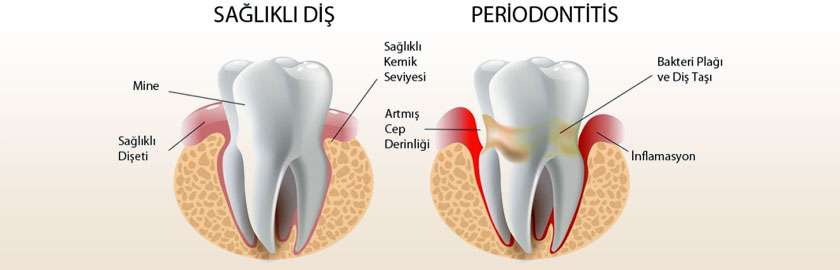
Periodontology is a part of dentistry that diagnoses and treats soft and hard tissue diseases surrounding the teeth. Periodontology’s treatment includes gingival recessions, gingivitis, gingival enlargement, scaling, early or late periodontal diseases.
First of all, it should be noted that healthy gingiva is light pink in color. It is firmly adhered to the tooth and bone, and has a shiny – grainy appearance similar to an orange peel. However:
While the main cause of periodontal diseases is bacterial plaque, other factors can also affect the health of your gums.
Uncontrolled diets and malnutrition can weaken the immune system and weaken the body’s resistance to infections. An infection that will occur in the gums during this period will also prolong the treatment period.
Apart from stress, AIDS and cancer types can be effective on the body’s immune system and can cause the development of gum diseases.
Another patient profile that is open to gum diseases is tobacco users. The fact that tobacco and tobacco products irritate the gums and cause deterioration in the firmness of the gums facilitates the development of infection in the areas of irritation.
Diabetes patients are the most difficult patient group to control gum disease . This is the group of patients most likely to develop gum disease.
Hormone changes during pregnancy cause the gums to become redder and more susceptible to plaque. Hormonal changes experienced during menopause and menstruation periods can also cause gingival sensitivity and predispose to gingival disorders.
Those with teeth clenching or grinding problems are in the risk group. They cause periodontal tissue destruction by reducing the force between the tooth and gingiva, and this tightening should be stopped by attaching a night plaque.
The drugs used can cause gum diseases. Birth control pills, antidepressants, and some heart medications can affect your oral health.
To protect teeth and gums, it is necessary to brush the teeth regularly every day, to clean the food residues between the teeth by using dental floss and to remove the bacteria in the mouth with the use of mouthwash.
The fact that daily routine care with tooth brushing and dental floss cannot completely prevent the formation of tartar necessitates periodic dental examinations.
Teeth cleaning to be done by the dentist; It prevents infections that will occur in the gums by removing the hardened tartar in the areas that you cannot clean with toothbrush and dental floss.
All dentists can identify periodontal diseases and treat early periodontal diseases. Some dentists, on the other hand, have additional knowledge and experience to treat advanced periodontal diseases, they are specialized in this field. Dentists with this knowledge are called periodontists. The dentist believes that the disease should be treated by a specialist if necessary and may send the patient to a periodontist. Along with the treatment of periodontal diseases, regular brushing of your teeth and regular dentist visits can maintain healthy teeth for life.

Unlock Your Perfect Smile: Discover Excellence at Dental Academy
2023 @ Dental Academy USA